Cayman Islands
Cayman Islands
The Island
Grand Cayman
hey there

Collaborate with your group to share ideas and build an itinerary. Send completed trips for others to finalize the booking with a simple payment.

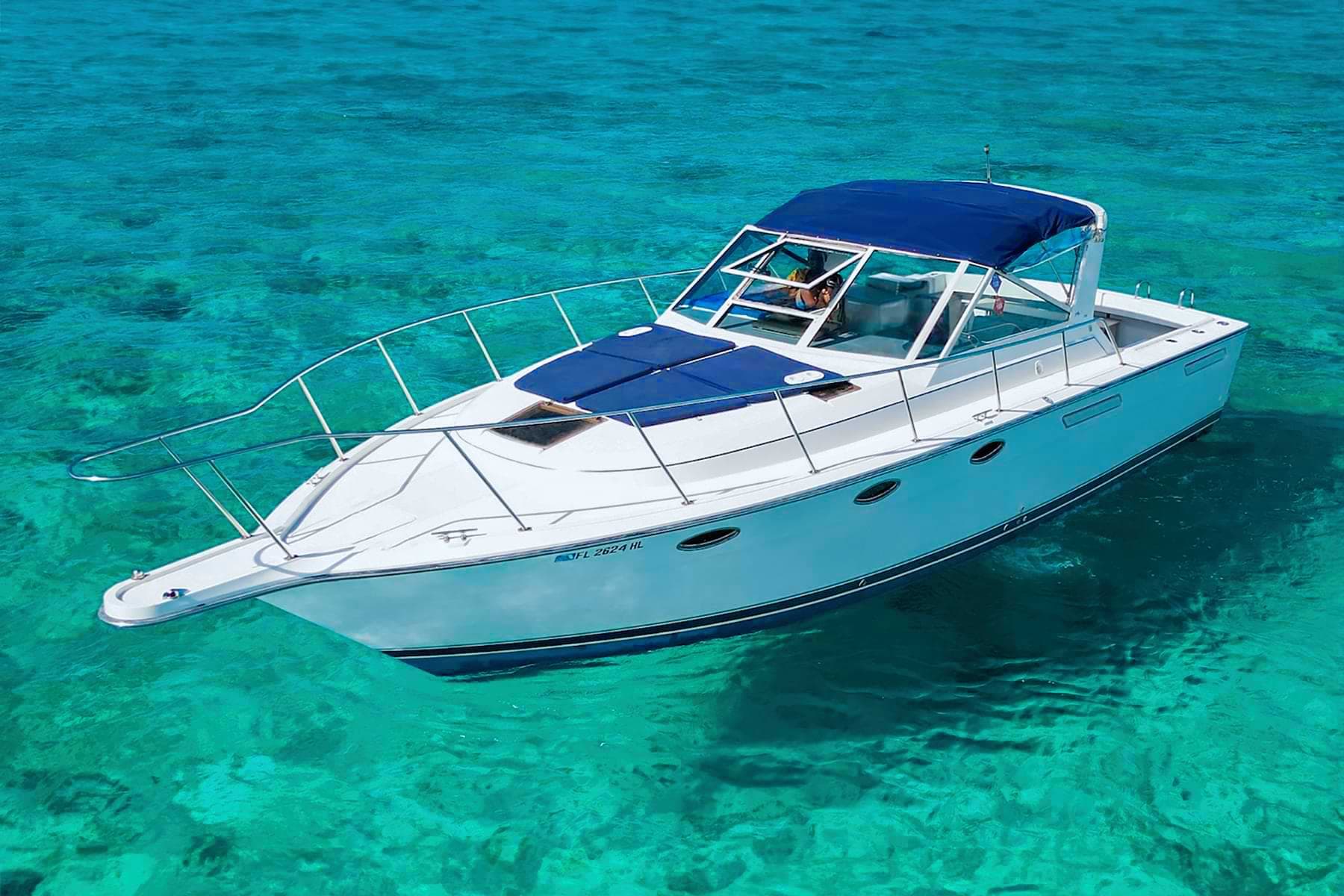
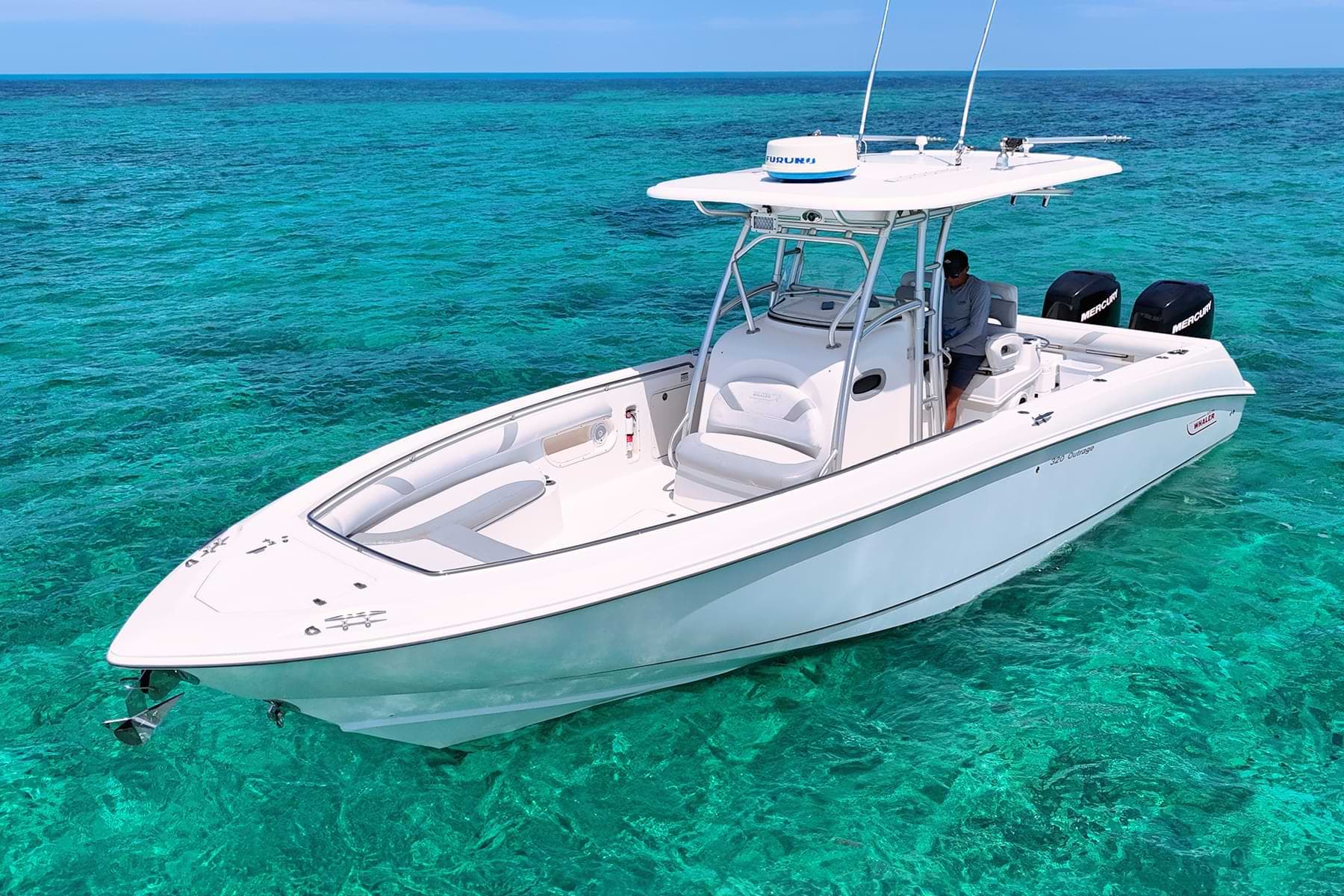
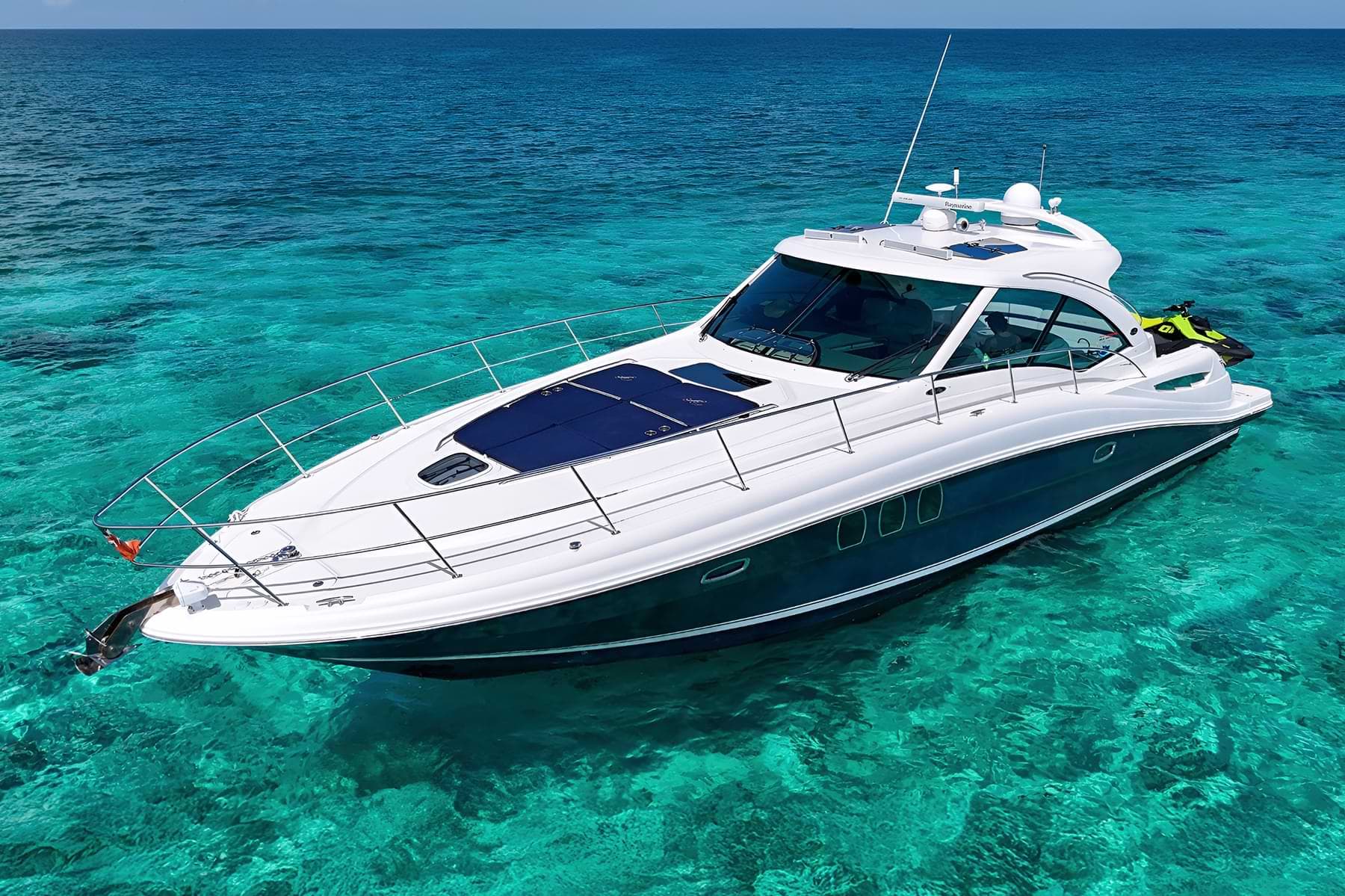
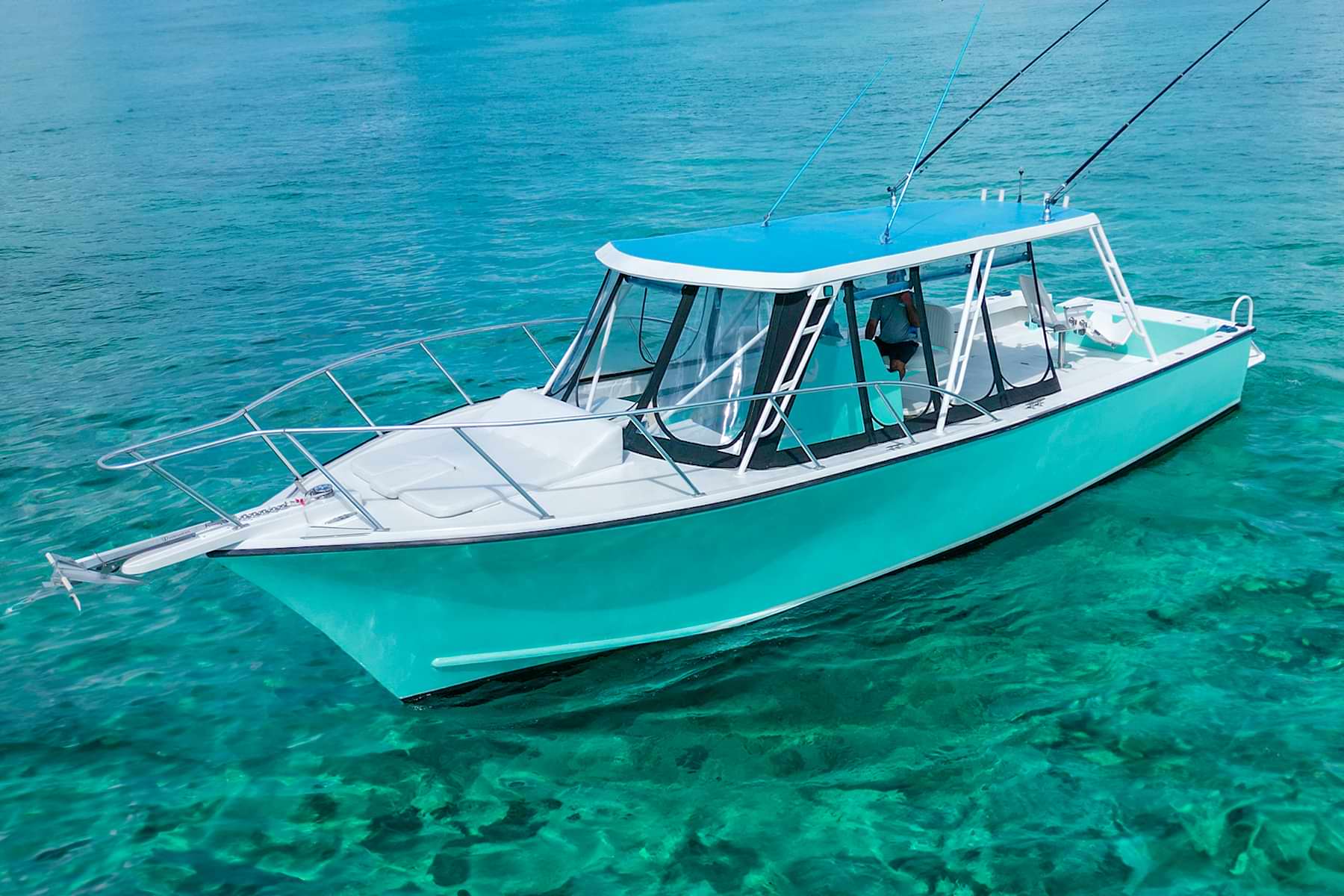
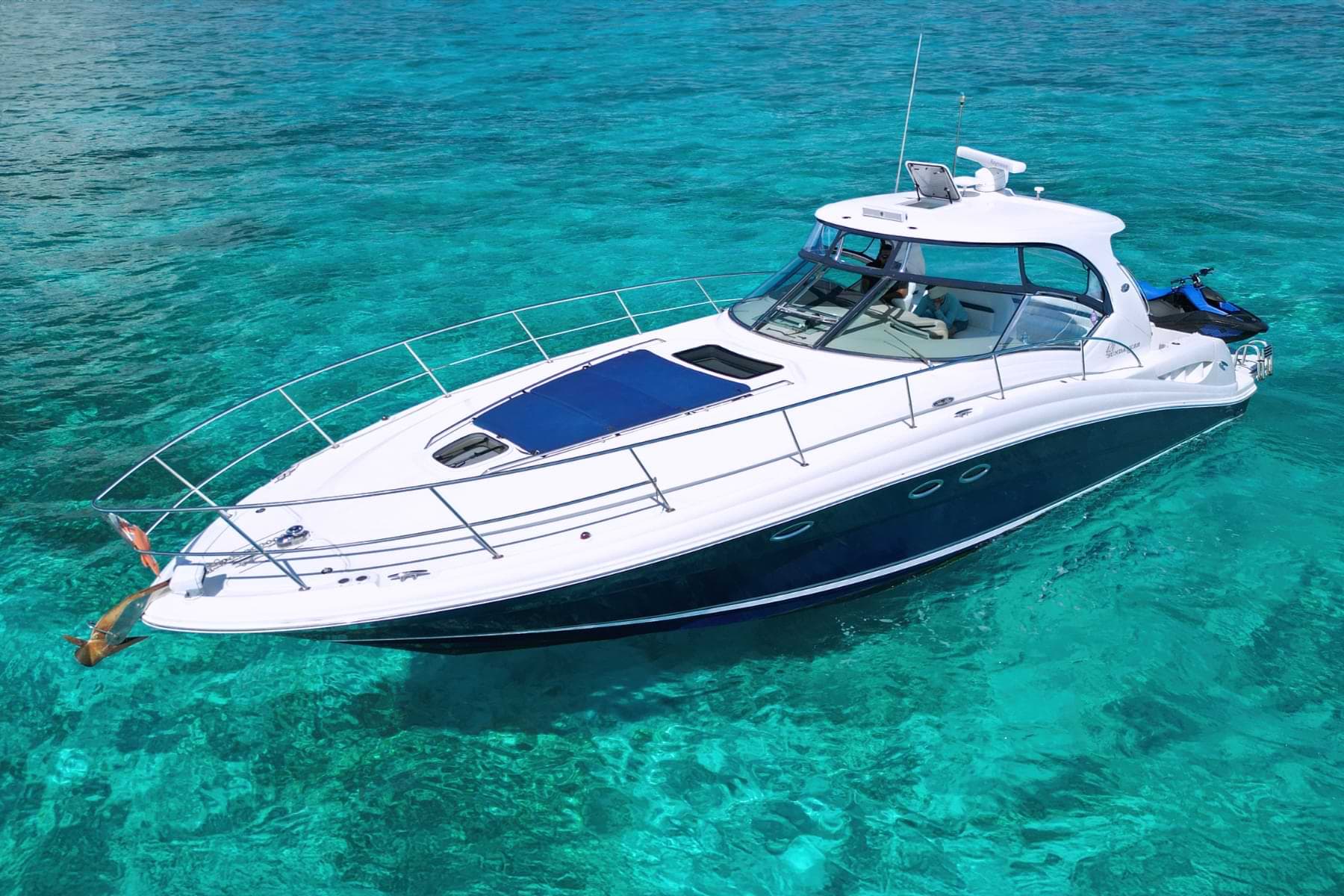
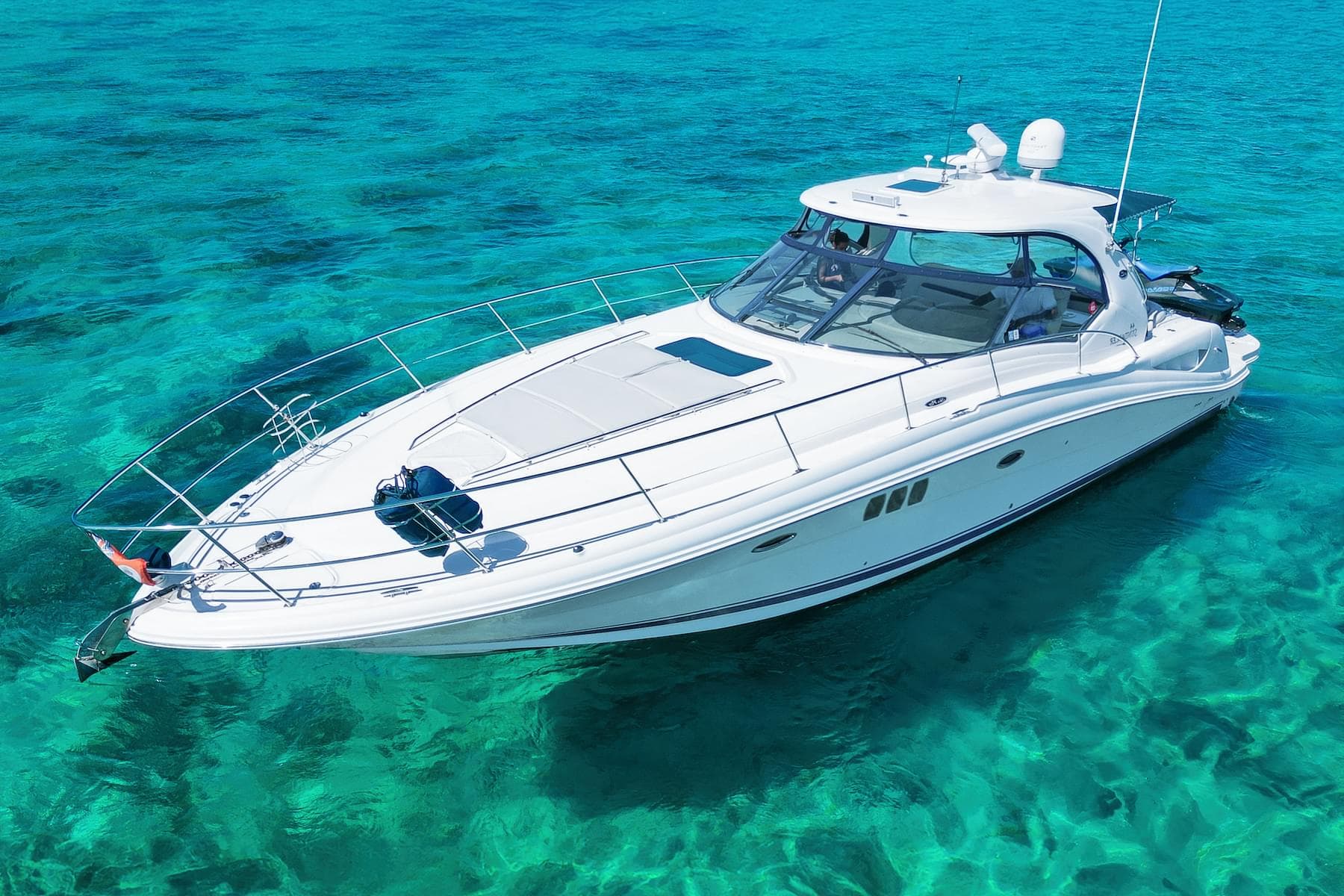
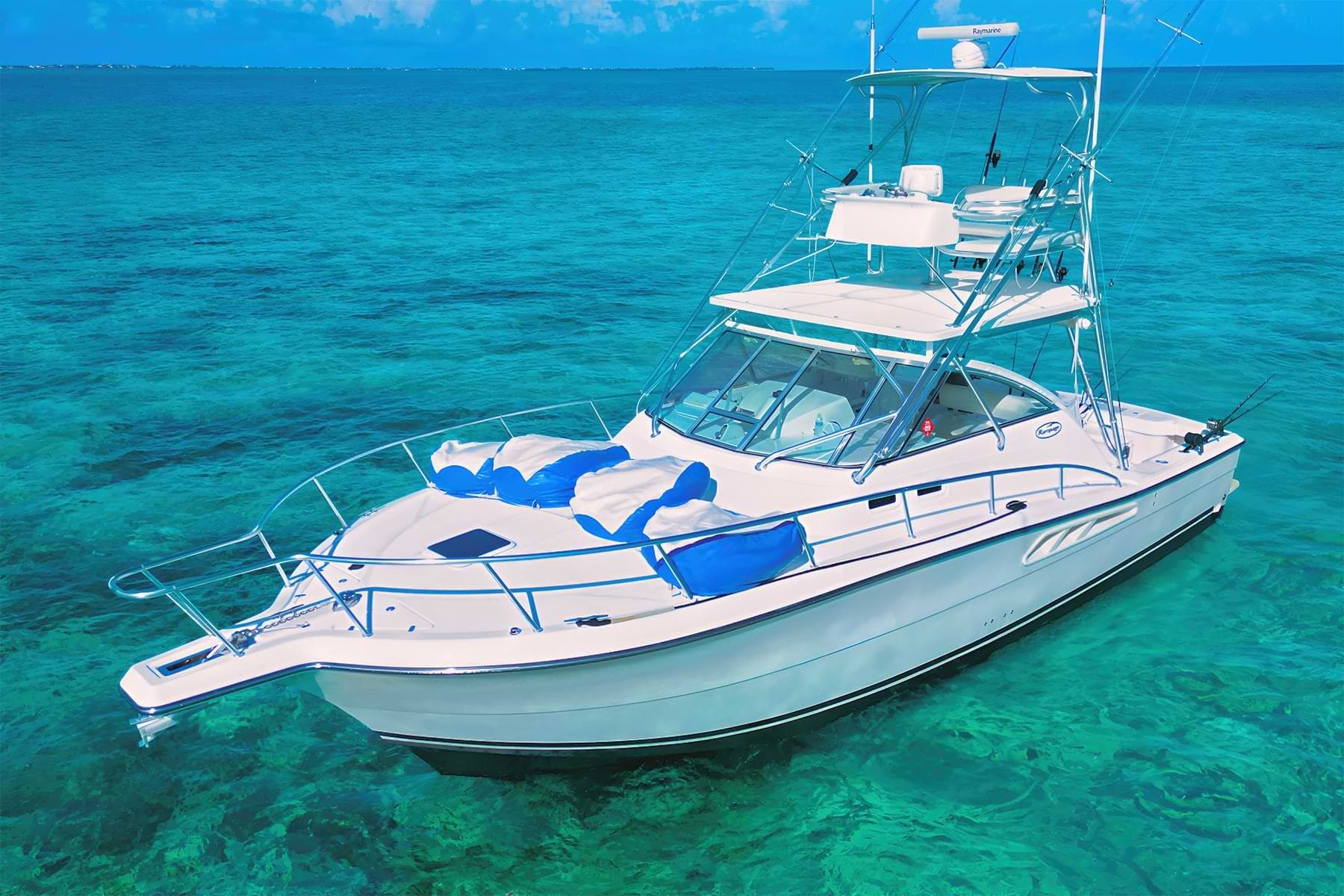
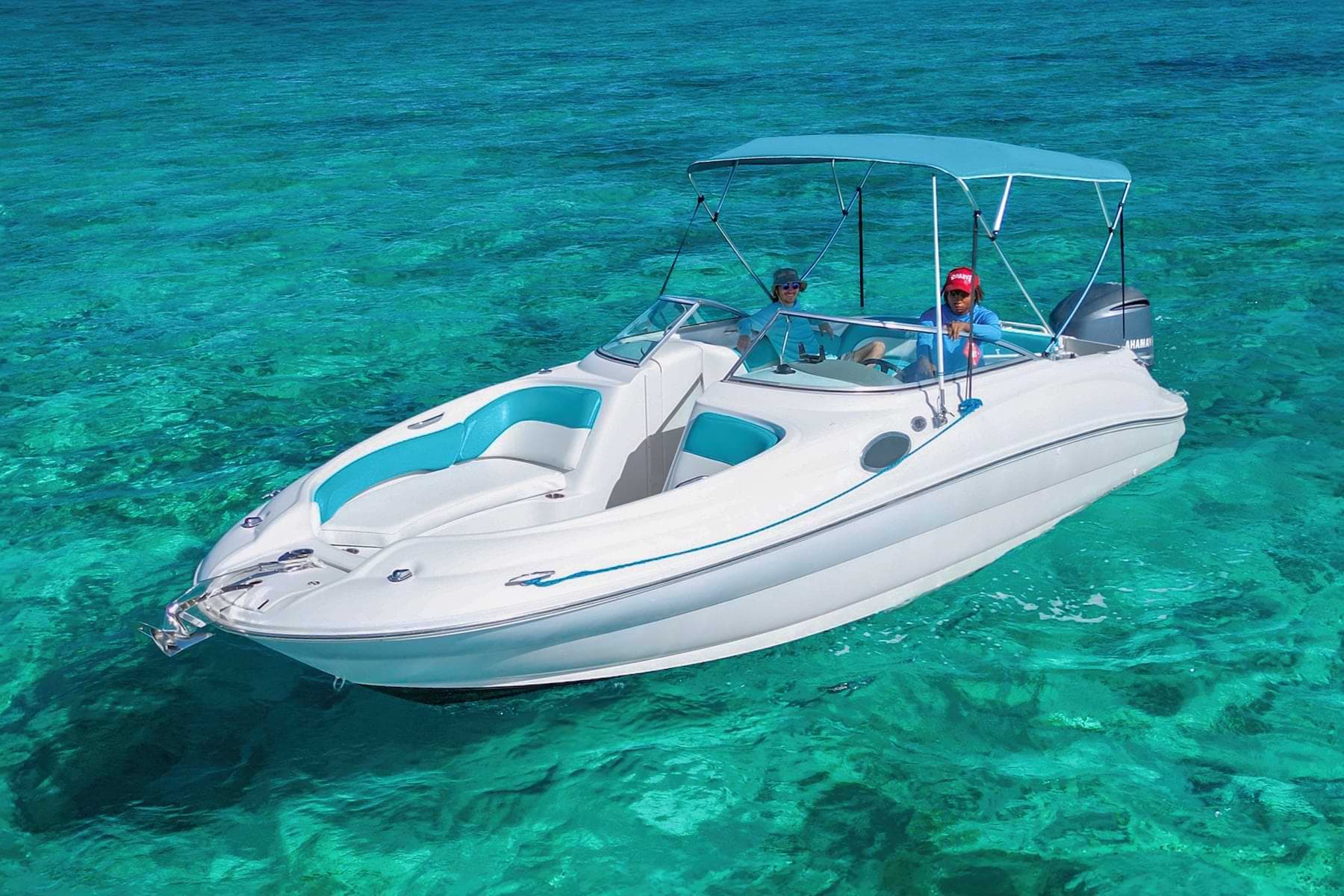
With a wide variety of boats and a commitment to offering every hidden adventure, we give you a bird's-eye view to make the best choice.

Forget the back-and-forth hassle. Our advanced algorithm swiftly calculates the trip duration, based on your selected boat, activities and even your pace!

Booking errors are a thing of the past when using our online trip builder. Enjoy a hassle-free booking process that leaves no room for stress!
an island adventure
adventure awaits
History
Wildlife
Weather
When to Visit
Interactive Map
Ever wondered how a tiny Caribbean archipelago became a global financial powerhouse? The Cayman Islands’ history is a captivating saga of pirates, daring rescues, and economic innovation.
Let’s explore the history of the Cayman Islands and discover how they transformed from a remote pirate haven to a sophisticated paradise that still upholds its tax-free status today.
Imagine a place that started as a quiet, uninhabited paradise and transformed into a bustling hub of tourism and finance. Nestled in the Caribbean, these three small islands have a history as colorful as the coral reefs surrounding them.
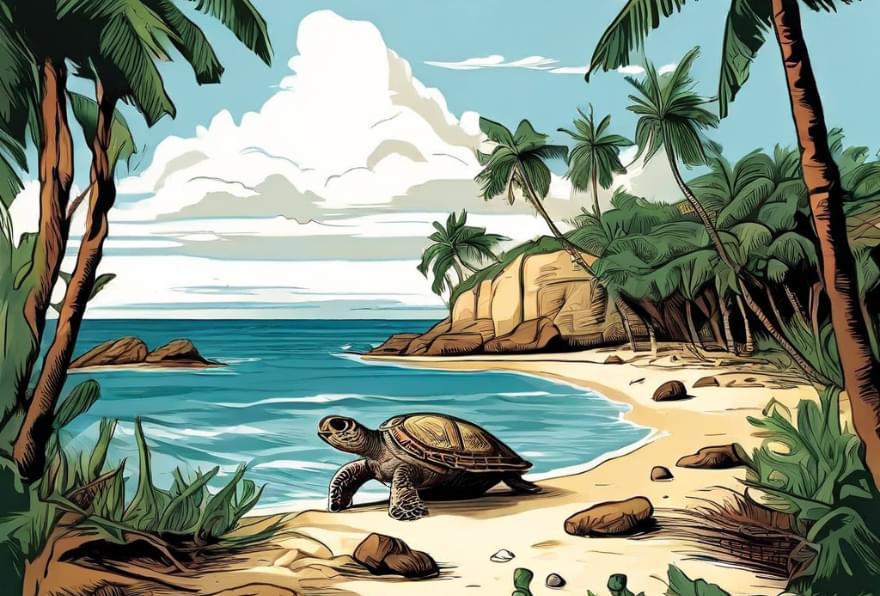
From its humble beginnings as a haven for sea turtles and the occasional shipwrecked sailor, Cayman has evolved into a tropical paradise that draws visitors from around the globe.
Don’t let the luxury resorts and offshore banks fool you. Beneath the polished exterior lies a rich tapestry of stories woven together by pirates, adventurers, and hardy settlers who braved the elements to make these islands their home.
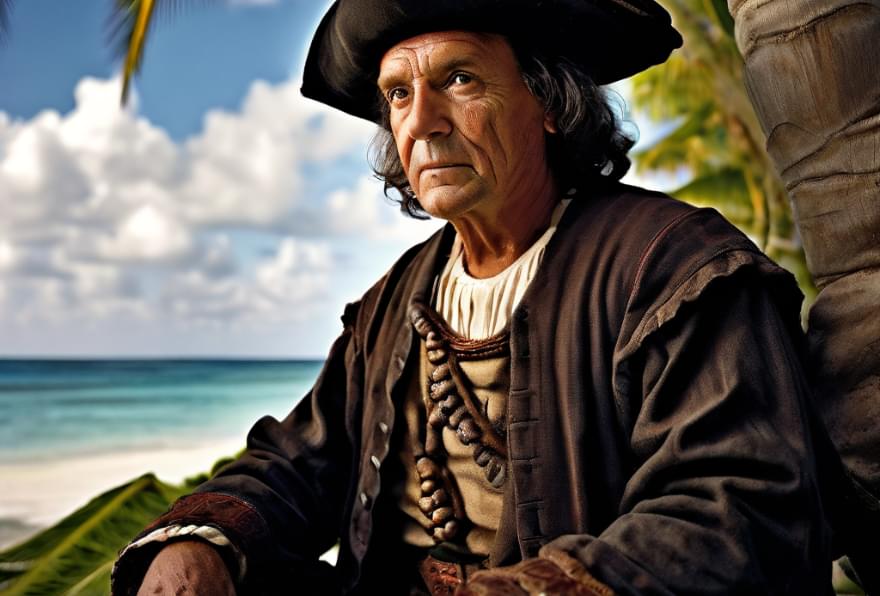
Now, old Chris was no stranger to stumbling upon new lands, but this time, he was in for a surprise. His ships approached the shores of what we now call Cayman Brac and Little Cayman.
Here, he was greeted by a sight that would make any sailor’s jaw drop: turtles everywhere! The waters were so thick with these shelled critters that Columbus dubbed the islands “Las Tortugas.”
Fast forward to the 1730s, and our islands finally got their first permanent residents. It was quite the motley crew that shaped early Grand Cayman island history:
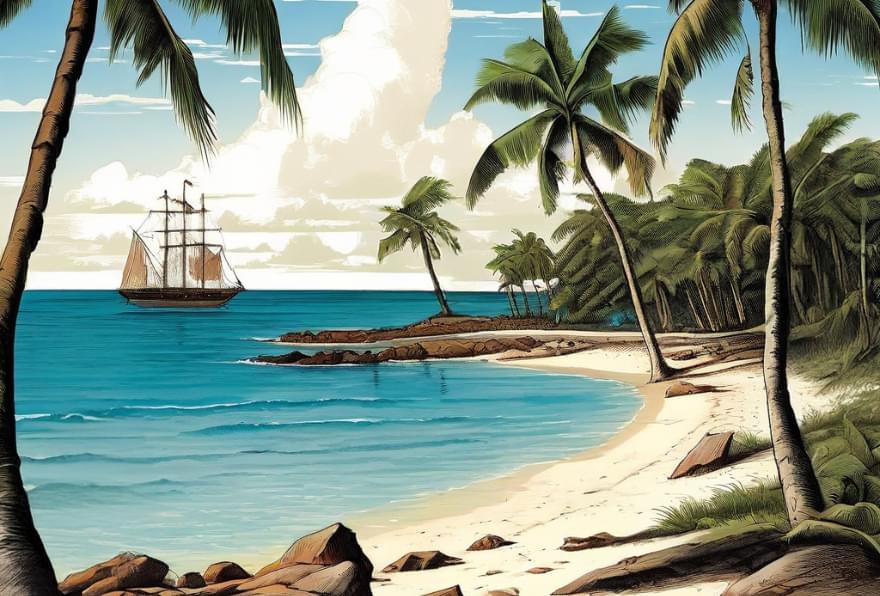
Word has it that the very first settlers arrived in 1658, marking an important milestone in the history of Grand Cayman:
Imagine stepping onto the pristine shores of early Cayman, where hardy pioneers armed with only their wits and basic tools carved out a life from the wilderness. Among them was Isaac Bodden, born around 1700 and considered the first true Caymanian, whose life of self-reliance laid the foundation for the unique island culture that thrives today.
Now, what’s a Caribbean island without a dash of pirate lore? The Cayman Islands pirates were like the cool kids of the Caribbean back in the day.
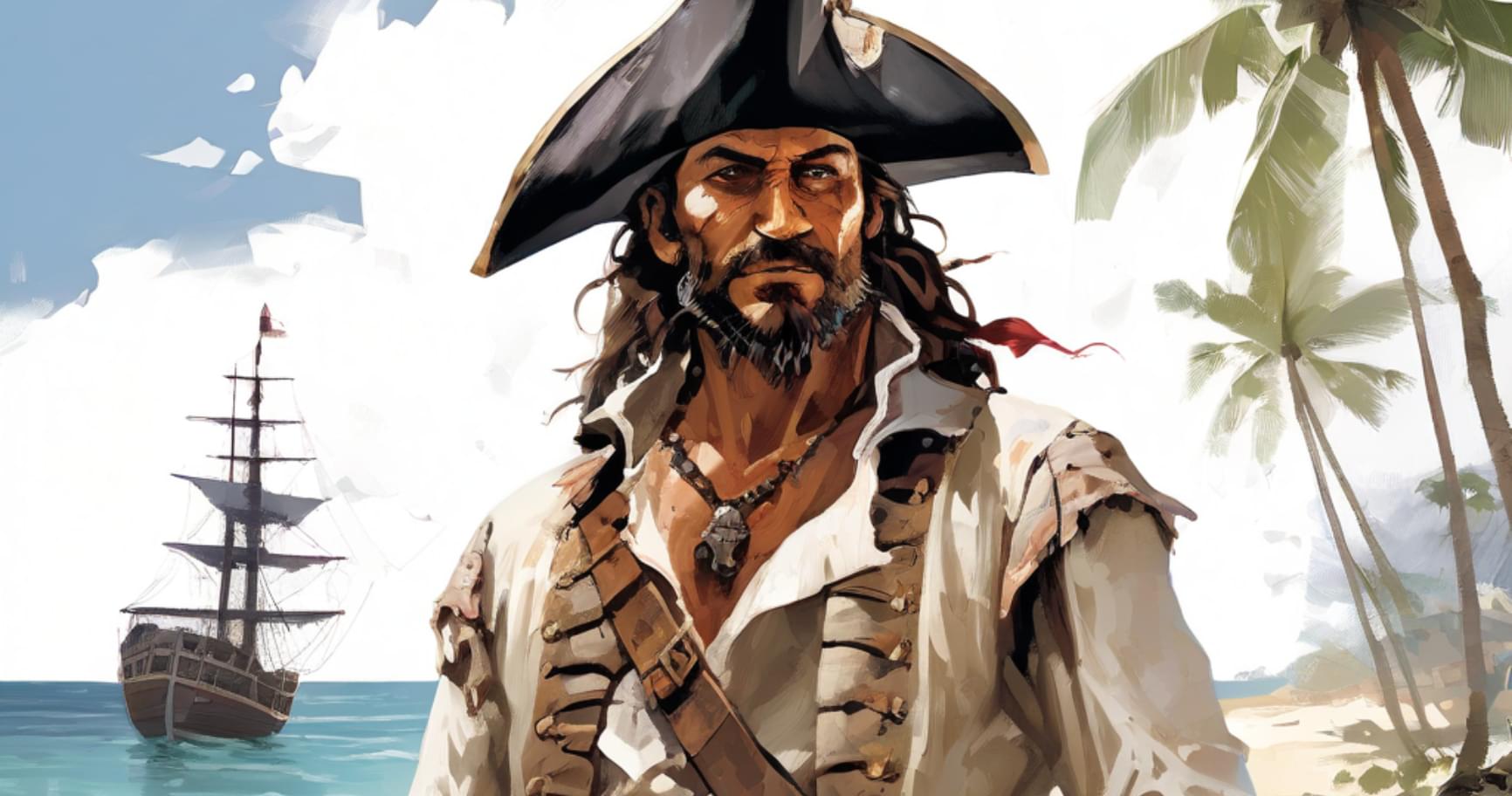
With their secluded coves, dense forests, and strategic location, these islands were a buccaneer’s dream come true. The infamous Blackbeard himself is said to have used the Cayman Islands as a hideout. Legend has it that he stashed some of his ill-gotten gains in the caves that honeycomb the islands.

1 day ago
I organized a group of 25 people across 2 boats. The process was very easy and they answered all of my questions. We ended up going on a day with choppy waves but the crew mad...

1 week ago
On Tuesday 10/13/26, my husband and I booked a private Bioluminescent Bay Tour with Brandon on Mischief. It was absolutely the highlight of our trip! Brandon was an incredible...

2 weeks ago
We had a wonderful time with our captain, Brandon, aboard the Mischief. Brandon was so knowledgeable about the sting rays, star fish and told us great stories and facts about...

2 months ago
Had Keanu as our captain for a four hour excursion on 8/6/26. Gotta book this guy! Can’t imagine anyone else topping his professionalism and knowledge of the area and sea life...

2 months ago
Captain Vernon and his son, Adrian, were amazing! They know the waters, sting rays and where to go! Highly recommend! Great family trip!

3 months ago
If you’re looking for an unforgettable day on the water in Grand Cayman, book with Crystal Charters! Captain Jerry and VJ made our entire experience exceptional from start to...

3 months ago
We had the best time!!! We spent 4 hours on a private charter with Captain John and we could not have asked for more!!!! Highly recommend. He took us snorkeling, we swam with...
3 months ago
If you’re looking for an unforgettable day on the water in Grand Cayman, book with Crystal Charters! Captain Jerry and VJ made our entire experience exceptional from start to...

3 months ago
We had an amazing experience with our captain Alex to Stingray City, snorkeling at the barrier reef, and a stop at Starfish Point. It was the highlight of our trip!

4 months ago
What can be said that wasn’t said already - simply FANTASTIC. What an amazing experience we had with captain Ozzy on deck - phenomenal captain, knows the island like the back...

5 months ago
We had a fantastic time with Jonathan and Luna. They were both super informative and engaging, very friendly and helpful along the way. Even took the time to spot a sea turt...

5 months ago
I had a group of 11 take the 4 hour private boat excursion with Crystal Charters - we had the absolute best time!! The communication was excellent, even dealing with our cruis...

5 months ago
We had a fantastic trip with Alex on the Hurricane (27 ft) for my brother's bachelor party. The boat comfortably fit 7 guys and we had a great time doing the five hour option,...

6 months ago
My family and I spent a week in Grand Cayman and this was by far the highlight of our trip. Sting Ray City was amazing. Our guide Rick was so attentive and great with my 3 y...

6 months ago
We had an amazing experience with Crystal Charters. It was really windy so they upgraded up to a bigger boat for no extra charge to make sure your excursion was safe and enjo...

7 months ago
Yesterday, my familybooked a full day on the 32 foot tiara, and Captain Vernon was at the helm! We were well attended to, taken to spectacular snorkeling areas, and educated a...

7 months ago
Our family of 8 had an absolute blast on our 6 hour boat trip. Captain Ricky and his mate Joseph were amazing hosts. Stingray City was over crowded and the water was a little...

7 months ago
This was the highlight of our trip!!! We did a 4 hour trip that included stingrays, starfish, sunset cruise and dinner at Kaibo. We loved it! Justin was amazing and couldn't h...

7 months ago
We really enjoyed our tour with Cpt John. We went to stingray city but it was overcrowded and too rough for the small boat so he took us somewhere that was calm and no other...

8 months ago
Our family had an absolutely fantastic time. A big reason for this was Cpt Vernon. He took great care of us and made sure our experience was the best it could be. I would reco...
In 1670, the British got their hands on Jamaica, and guess what? We were part of the package deal! This marks a significant point in the Cayman Islands history timeline:
The arrival of the British marked a new chapter in Cayman’s colorful history. Suddenly, our little slice of paradise went from being a pirate playground to a proper British colony.
But here’s where it gets interesting. In 1959, the islands decided to become a direct dependency of the British Crown. And when Jamaica got its independence in 1962, the Caymanians looked at each other, shrugged, and said, “Nah, we’re good.”
Long before the Cayman Islands became known for its pristine beaches and luxurious resorts, our ancestors were renowned craftsmen of silver thatch rope.
This sturdy cord, made from our native palm trees, was prized throughout the Caribbean for its remarkable resistance to saltwater rot. Along with rope-making, the islands sustained themselves through sponge gathering and some turtle trading.
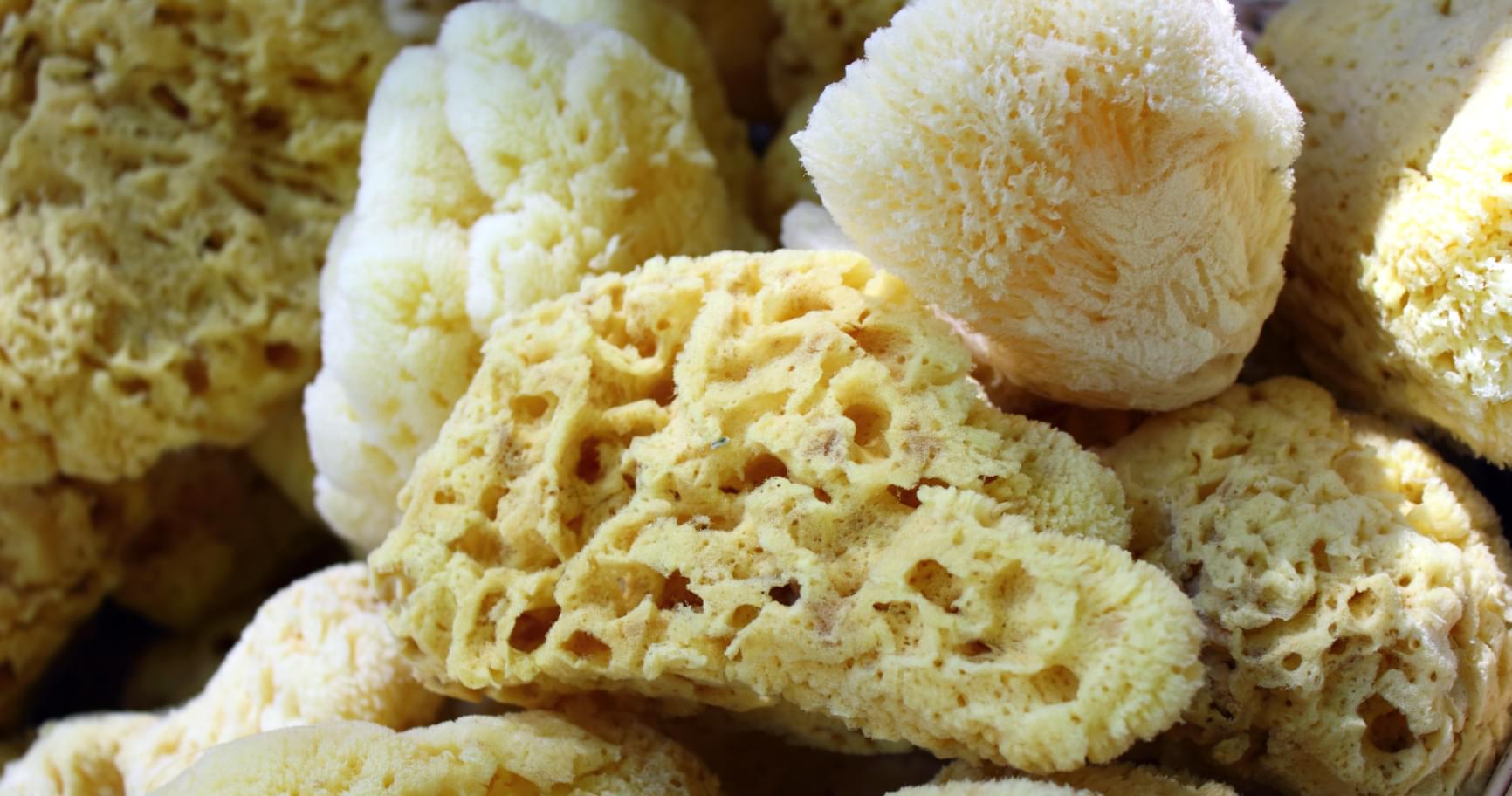
A remarkable transformation followed as the Cayman Islands evolved from a humble rope-making community into the Caribbean’s premier tourist destination.
The story begins in the 1960s. The Cayman Islands government had a revolutionary idea: transform their islands into a business paradise.
This was accomplished by introducing extremely business-friendly laws. Think of it as rolling out the red carpet for companies - just as pirates once sought treasure, businesses would now seek out the Cayman Islands banks.

The key was creating an environment where businesses would want to operate. The government achieved this through strategic legislation designed to attract international companies.
Can you imagine that by the 1980s, we had more registered businesses than people? That’s right, there were more companies than coconuts on our islands! Today, we’re one of the world’s top offshore financial centers. Not bad for a bunch of former turtle traders, eh?
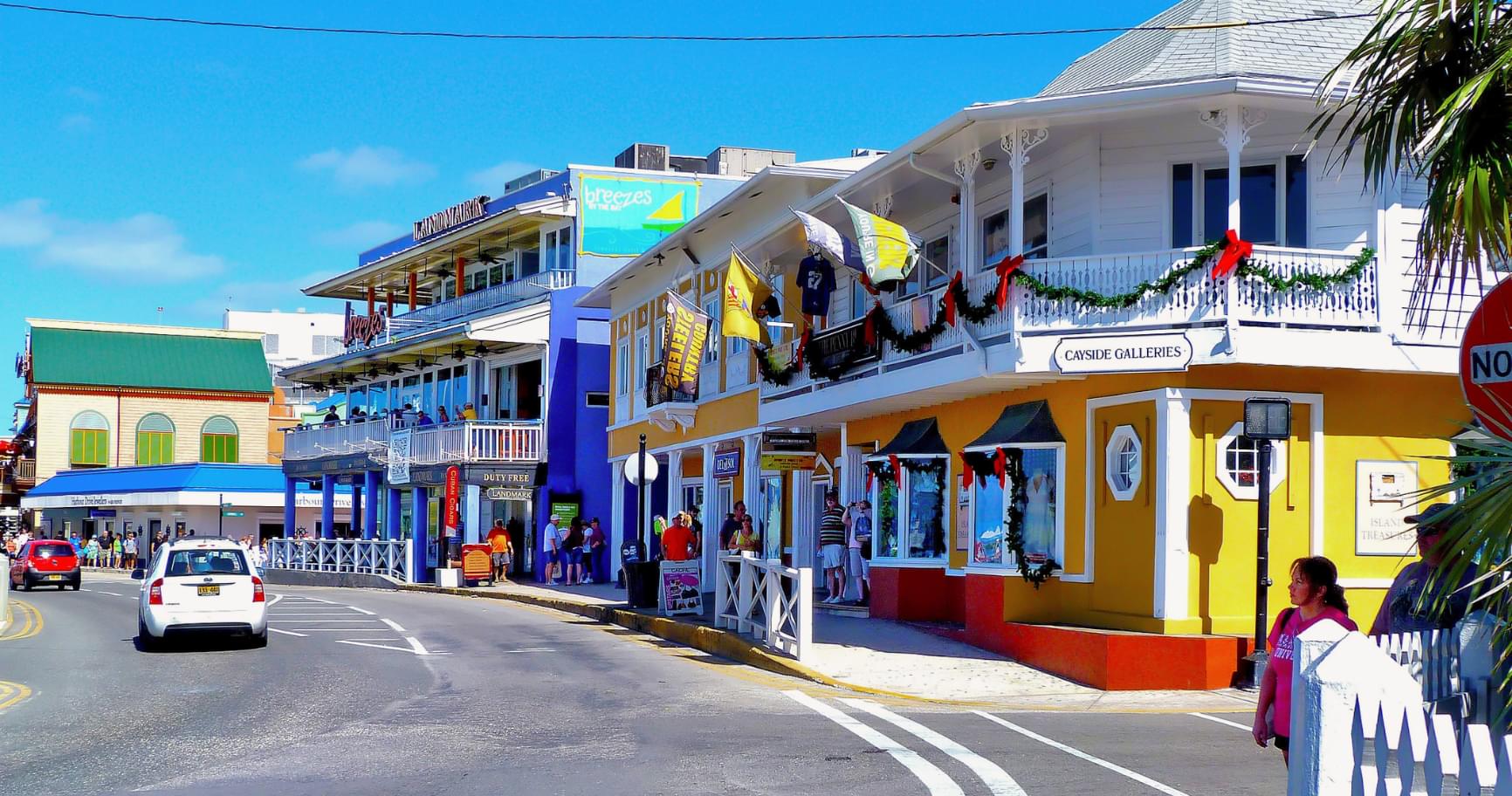
George Town, our capital, reflects this growing diversity. Walk down its streets, and you’ll hear English in a wide variety of accents. While maintaining its Caribbean soul, the city has evolved into an international hub where:
The island maintains its tropical charm while embracing its multicultural identity. You can still find secluded beaches and traditional Caymanian hospitality, but now with the added richness of global perspectives and traditions.
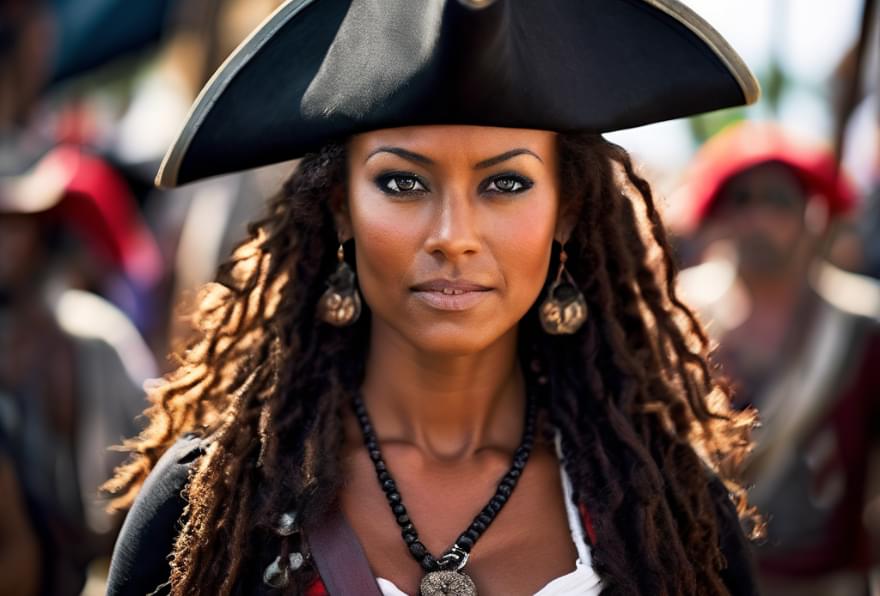
Picture this: It’s a sunny November morning in George Town. Suddenly, the peace is shattered by the boom of cannon fire! A pirate ship appears on the horizon, packed to the gunwales with fearsome buccaneers. They storm the beach, cutlasses raised, in a mock invasion that would make Johnny Depp proud.
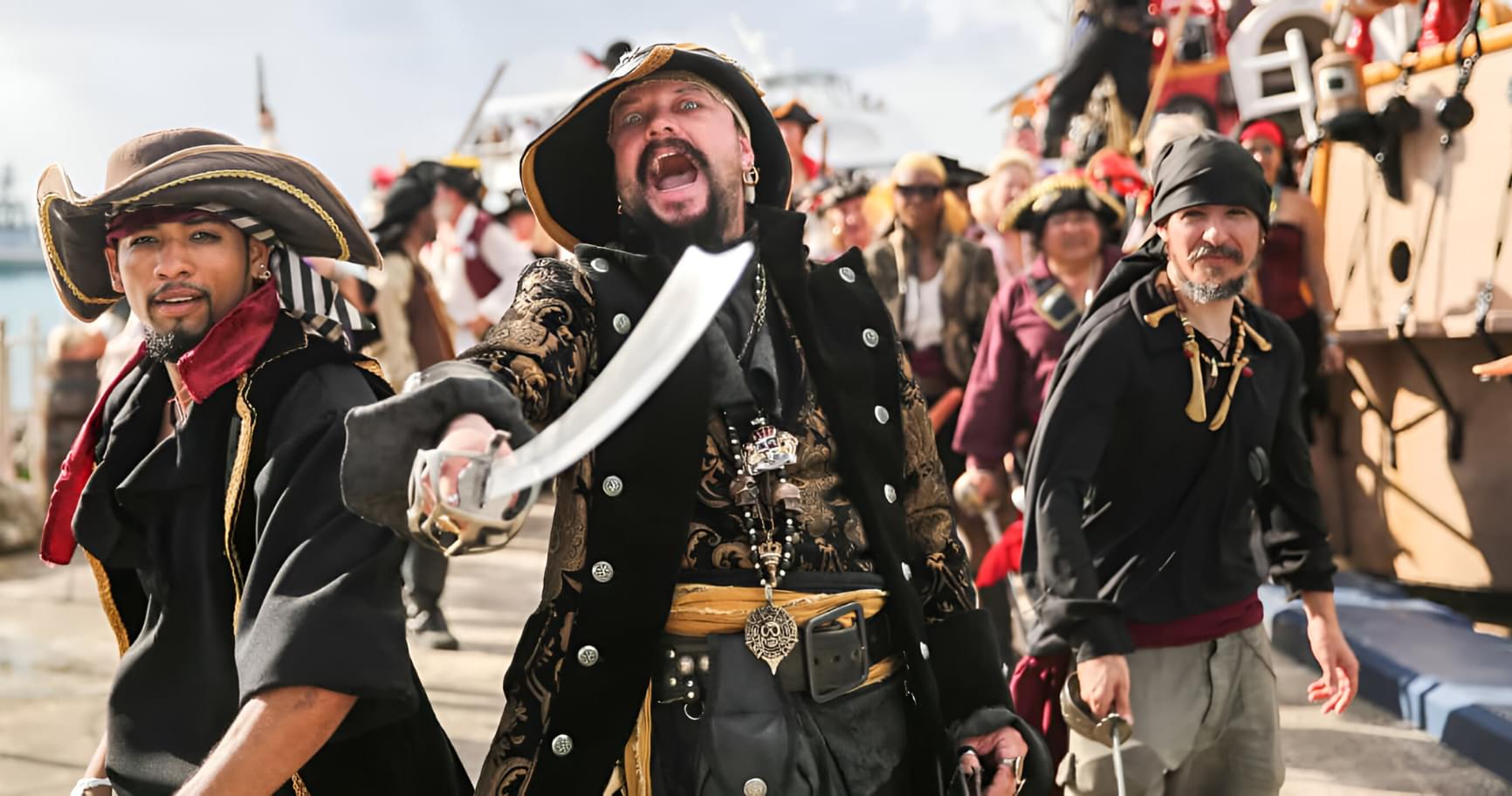
It’s a week-long celebration of our history, our culture, and our ability to throw one heck of a party. The Pirate Festival in Grand Cayman is a highlight of our cultural calendar and a testament to our rich maritime heritage.
Our history isn’t just about pirates - it’s also about heroic rescues and… taxes? Or rather, the lack of them! In 1794, a fleet of 10 British merchant ships ran afoul of our treacherous reefs. Using nothing but small boats and a whole lot of courage, brave Caymanians managed to rescue all 450 souls aboard.
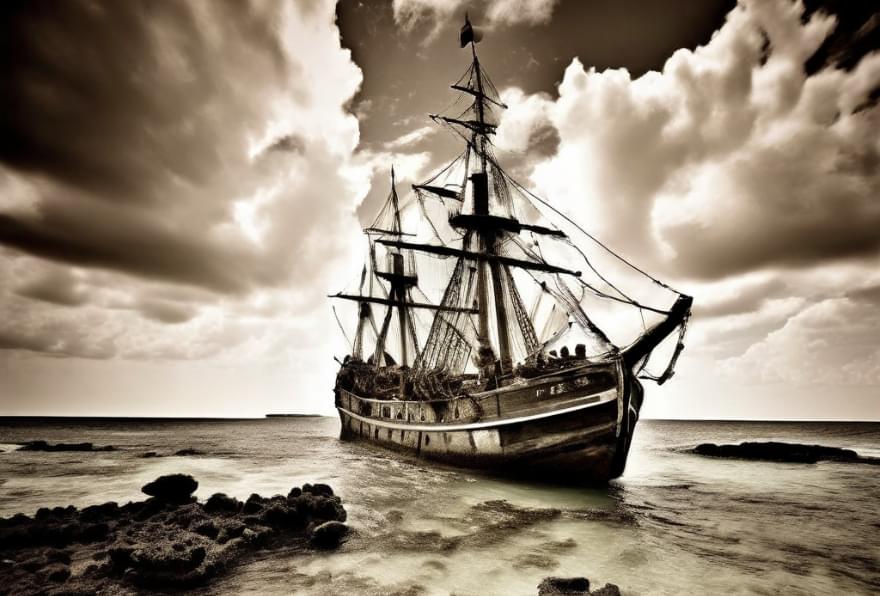
Legend has it that King George III was so impressed by this act of bravery that he issued a royal decree, declaring that the Cayman Islands would never have to pay taxes or be conscripted into military service.
Here’s the thing, though - there’s no actual proof this decree ever existed. We liked the legend so much that we just… went with it.
To this day, the Cayman Islands remain gloriously tax-free. It’s part of what makes us such an attractive place for businesses - and for people who don’t like filling out tax forms!
This fascinating tale is just one chapter in the rich tapestry of Cayman Islands History, showcasing the blend of myth, reality, and economic innovation that has shaped our nation.
No discussion of Cayman Islands history would be complete without mentioning our experiences with hurricanes. These powerful storms have shaped our islands and our people:
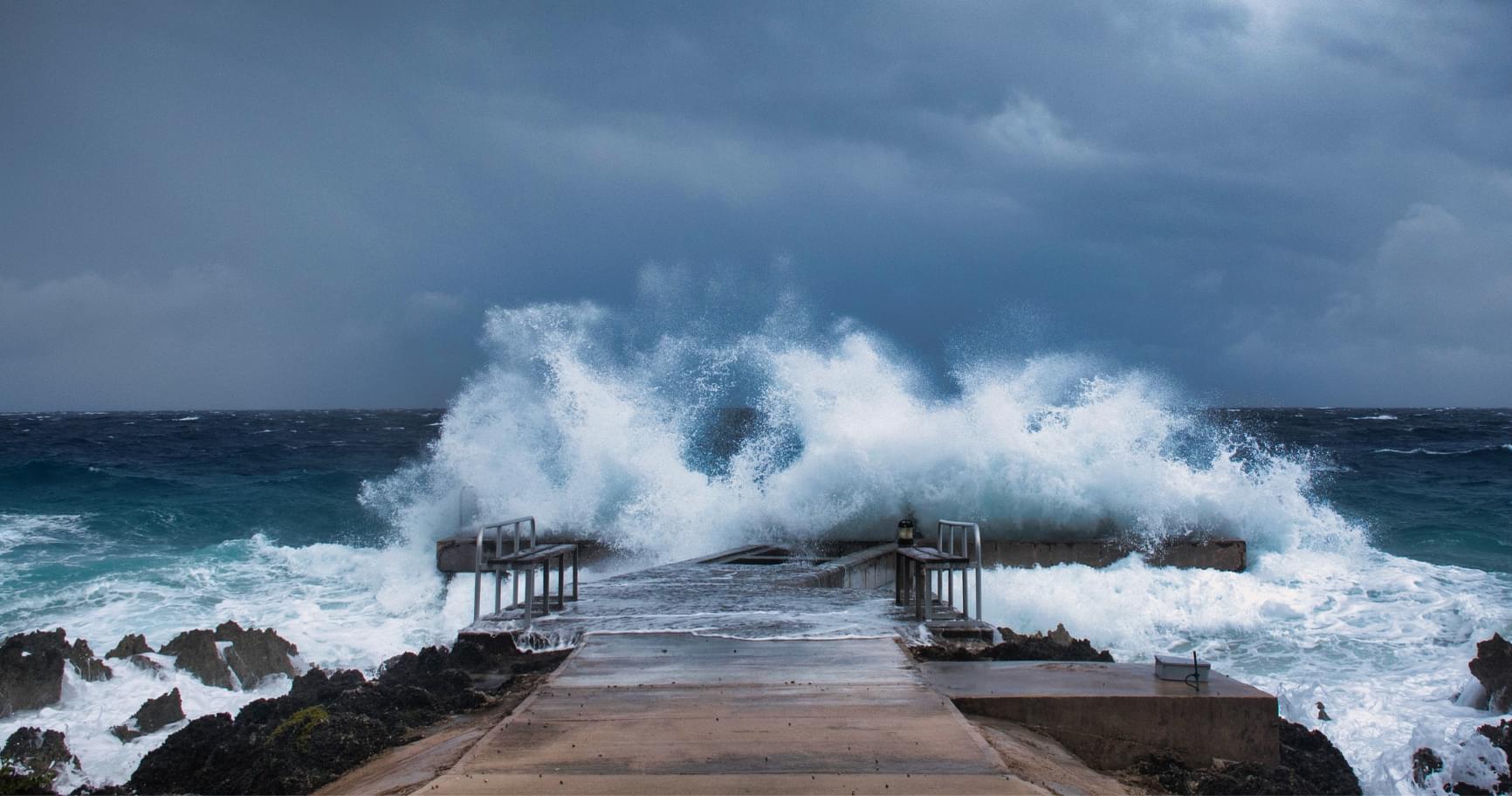
To learn more about how these forces of nature might affect your visit, check out our Cayman Islands Hurricanes page. There, you’ll find essential information on hurricane seasons, safety precautions, and how to plan your trip with potential storms in mind.
So there you have it, me hearties! From Columbus’s accidental discovery to today’s thriving paradise, the Cayman Islands have come a long way. We’ve weathered storms (both literal and financial), danced with pirates, and turned our little turtle haven into a Caribbean success story.
If you’re wondering, “What is the history of the Cayman Islands?” Well, it’s a tale of:
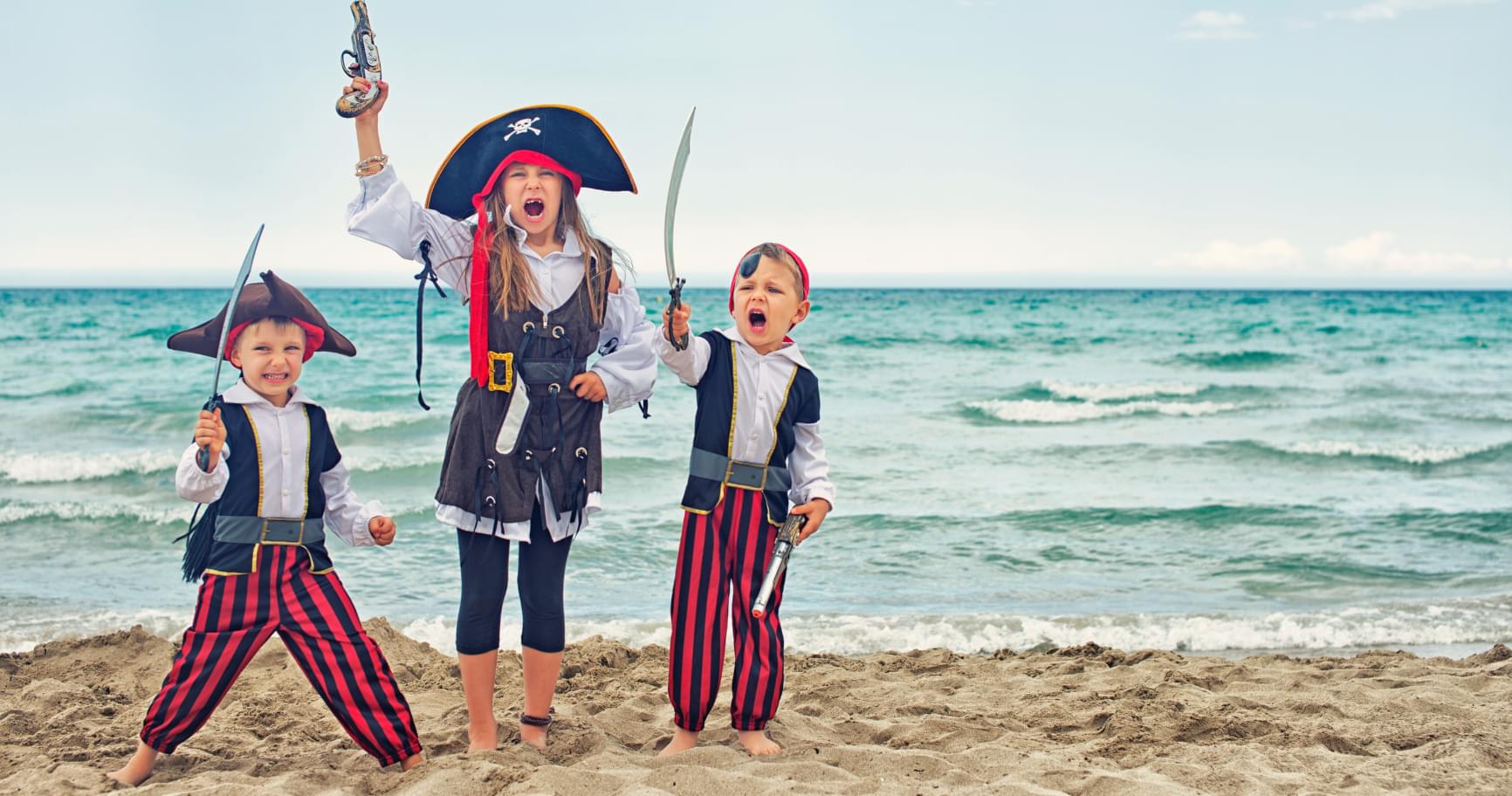
And don’t forget to join us for the annual Cayman Islands Pirate Week festival - it’s the perfect way to experience our rich history and vibrant culture all at once.
Whether you’re interested in Grand Cayman’s pirates or the pirate festival in the Cayman Islands, there’s something for everyone in our tropical paradise at Pirate’s Week in Grand Cayman.
10 Guests
one of a kind
Effortlessly create your family’s dream trip using our innovative online tool, offering you full control and ultimate ease when planning.
Choose one of these guest-favorite itineraries as your starting point, then personalise it to suit your group.
 Popular
The Cayman Classic
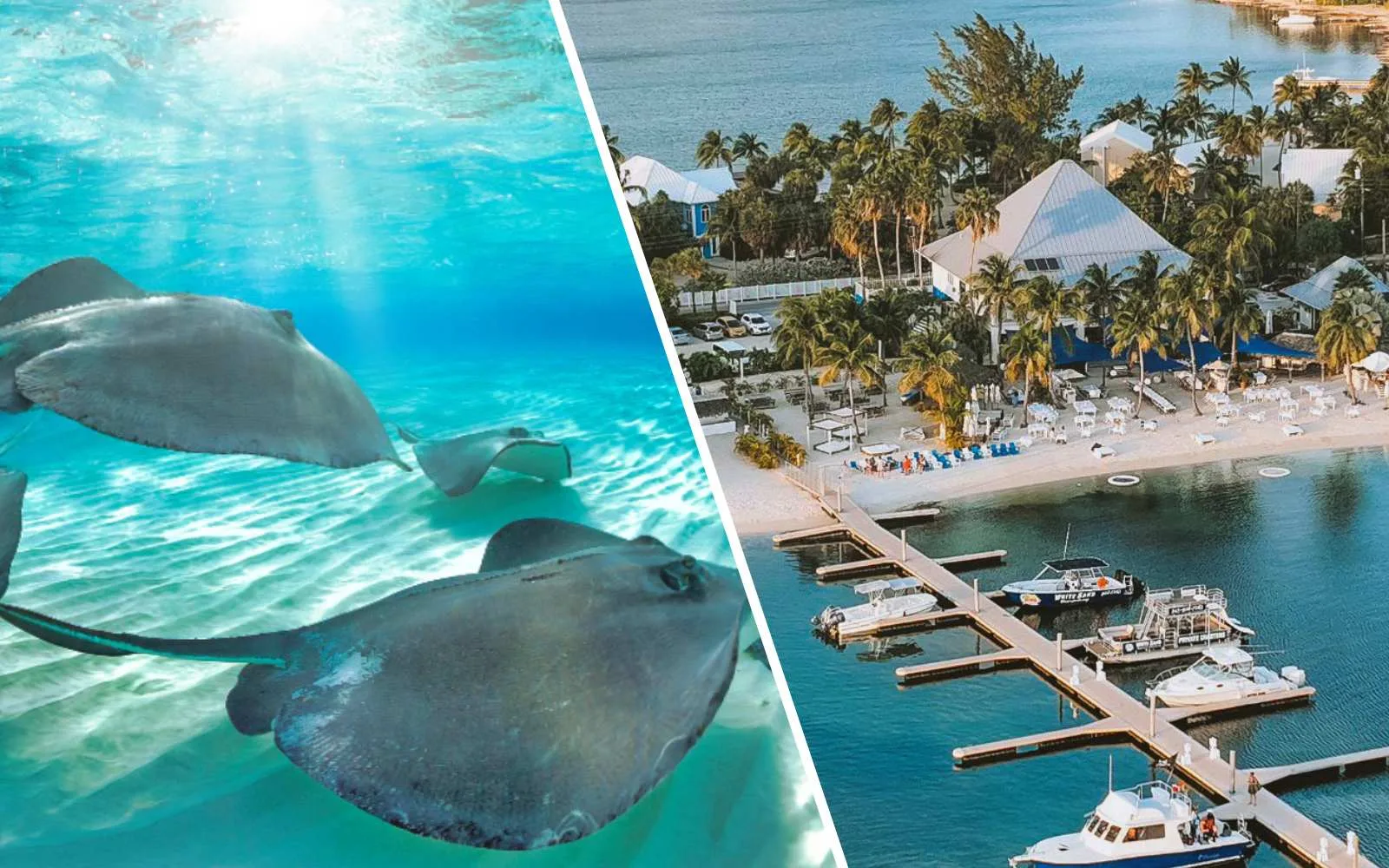
Stingray City · Snorkeling · Starfish Point · Beach Bar Stop
Start with this itinerary →
 Popular
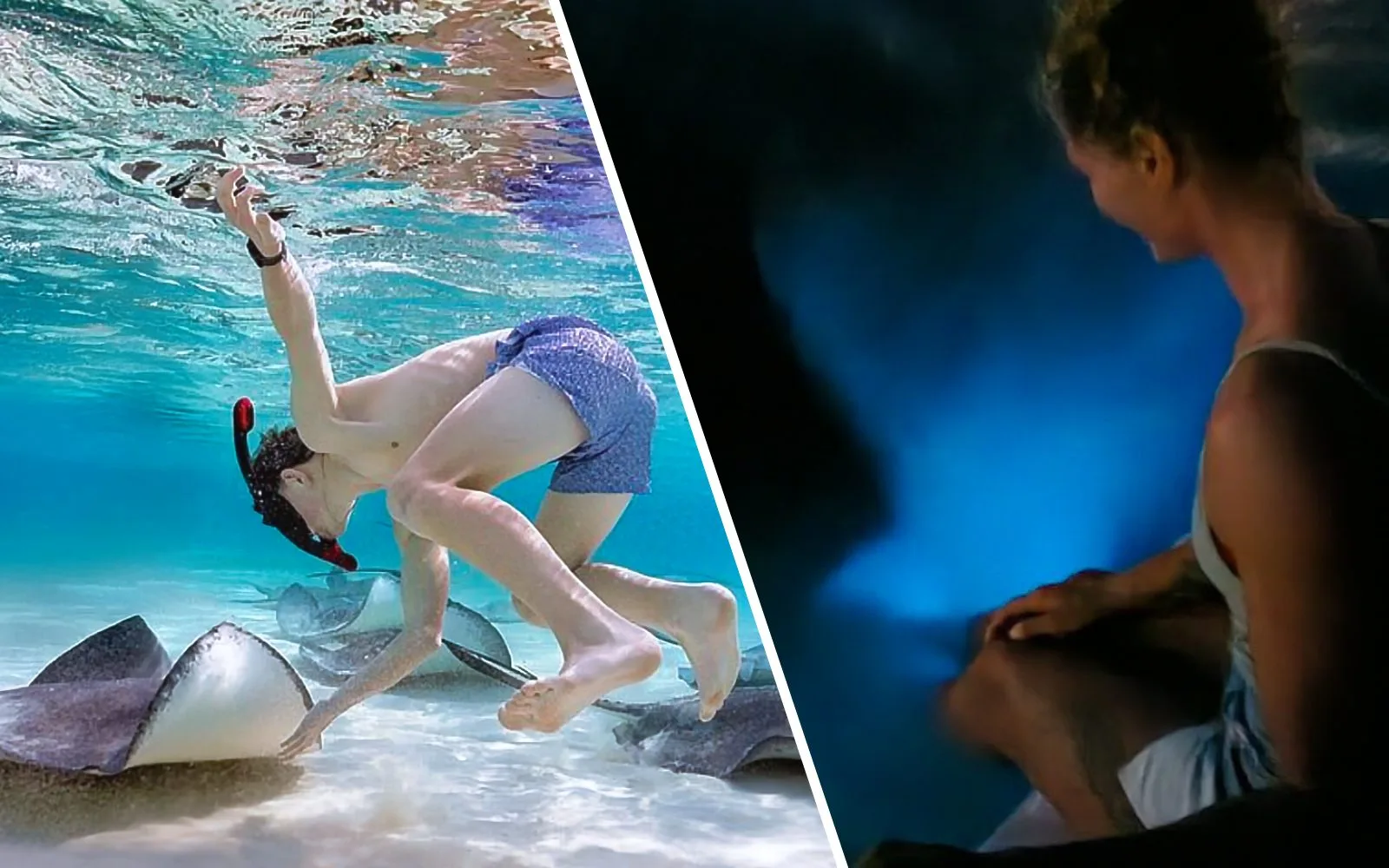
Stingray & Bio Bay Magic
Stingray City · Snorkeling · Starfish Point · Beach bar Stop · Bioluminescent Bay
Start with this itinerary →
 Popular
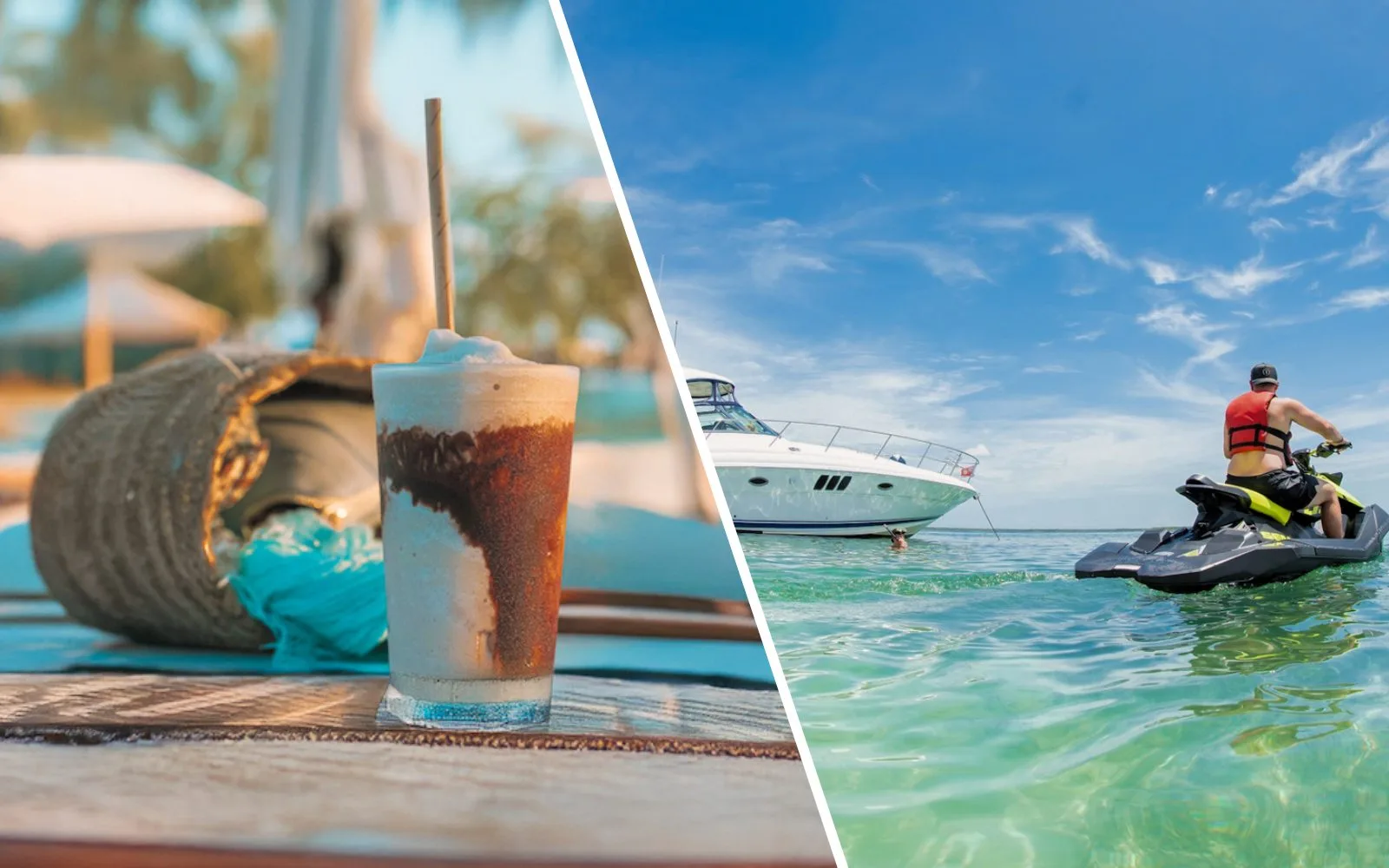
Signature Luxury Escape
Stingray City · Snorkeling · Starfish Point · Jet Ski · Tubing · Beach Bar Stop
Start with this itinerary →